
DISARMAMENT & INTERNATIONAL
SECURITY COMMITTEE
The Disarmament and International Security Committee (DISEC) is the First Committee of the United Nations General Assembly. Its primary function is to address matters related to international peace, security, and disarmament. The committee focuses on arms control, non-proliferation, and emerging security threats that affect global stability. Delegates debate issues such as terrorism, nuclear weapons, cyber warfare, and regional conflicts. Through diplomatic dialogue and multilateral cooperation, DISEC seeks to reduce tensions, prevent armed conflict, and strengthen collective security. The ultimate objective of the committee is to promote peace and stability through responsible and cooperative international security policies.
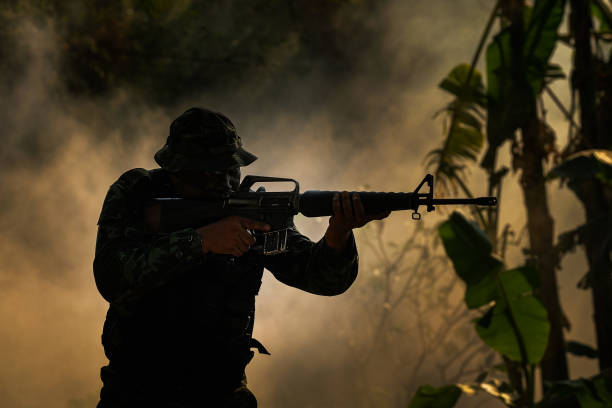
Topic 1: Enhancing the countries defence mechanism towards hybrid warfare
Hybrid warfare refers to a modern form of conflict that combines conventional military operations with unconventional tactics such as cyberattacks, disinformation campaigns, economic coercion, and the use of proxy actors. This strategy deliberately blurs the distinction between war and peace, making it difficult for states to respond effectively within existing legal frameworks. Hybrid warfare poses a significant threat because it undermines national sovereignty, destabilizes political systems, and erodes public trust without the declaration of open war.
States and non-state actors use hybrid tactics to weaken opponents while avoiding direct military confrontation and international accountability. Examples include cyberattacks on critical infrastructure, election interference through misinformation, and the covert support of armed groups in foreign conflicts. These actions can disrupt economies, increase political polarization, and escalate regional tensions.
Within DISEC, delegates will address hybrid warfare by strengthening international norms, enhancing cyber security cooperation, and improving mechanisms for identifying and responding to hybrid threats. The committee aims to restore international order and preserve peace by promoting coordinated, lawful, and proportionate responses to modern conflict strategies.
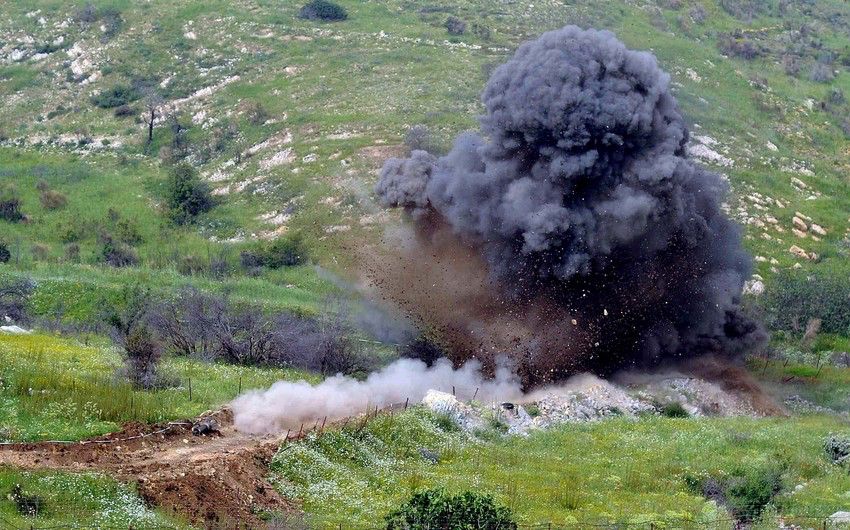
Topic 2: Removing landmines from countries affected by previous conflicts such as Bosnia and Herzegovina, Cambodia and Laos
Anti-personnel landmines remain a persistent and deadly legacy of past armed conflicts, continuing to threaten civilian populations decades after hostilities have ended. Countries such as Bosnia and Herzegovina, Cambodia, and Laos are among the most heavily affected, with large swaths still contaminated by unexploded landmines and other explosives. These continue to pose a constant danger, injuring and killing thousands around the world every year-often children.
Beyond the immediate human cost, landmines stand in the way of post-conflict recovery and long-term development. Contaminated land decreases agricultural production, infrastructure projects are delayed, access to education and healthcare is placed out of reach, and foreign investment is discouraged. In short, landmines contribute to poverty, displacement, and economic stagnation.
This work of landmine removal necessitates an enduring international commitment, highly specialized technical know-how, and long-term financial support. The delegates are called upon to address concrete and practical steps on funding for operations in demining, technological innovation in detection and clearance, victim assistance programs, and capacity building for the affected states. This effective international cooperation will go a long way in ensuring that post-conflict societies can safely rebuild and achieve sustainable peace.